

Sarah Szeto
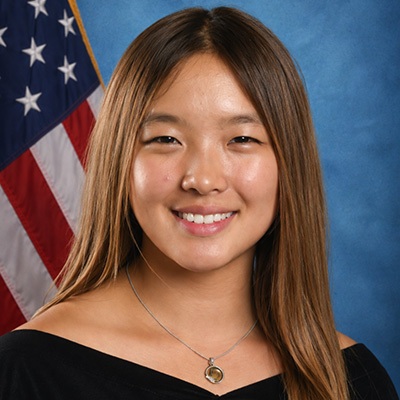
Major: Honors computer engineering
Graduation Year: 2029
Hometown: Townsend, Delaware
Pronouns: She/her
Sarah Szeto
Q: You spent summer 2026 attending Air Force basic training and technical training as a member of the Delaware Air National Guard. What inspired you to serve, and what did you take away from the experience?
Szeto: I have always been inspired by the sacrifices that soldiers make to protect this country, but I grew more interested in enlisting after speaking to recruiters who visited my high school. Since recently graduating basic training, I’ve learned that there is truly so much that we take for granted, and I’m grateful to protect the freedoms we are blessed to have. There will always be days when you feel tired or ready to give up, but remember that choosing to persevere through it brings you one step closer to your goal. Stay connected to your support system and fight for something you’re proud of.
Q: Has your military training changed the way you think about engineering or your future career? If so, how?
Szeto: My military training has definitely transformed how I think about engineering and a future career. I view situations with fresh eyes, and I find myself always searching for ways I can improve the people and places I encounter. During my military training, my instructors emphasized communication and feedback to better shape future trainees into airmen. From an engineering perspective, I seek to improve our society’s infrastructure using the skills I’ve learned in engineering courses at UD. The Air Force core value of Integrity First has inspired me to pursue a STEM career that is honorable and improves the lives of the American people. It’s important that I work for a cause that I care about; that value drives me to excel in the Air Force and in the computer engineering field.
Q: What skills or qualities did you develop during your military training that you think will help you succeed as an engineering student?
Szeto: The most crucial skill I developed during my training is resilience. Sometimes, giving up truly isn’t an option. My instructors pushed us to the limit physically and mentally, but I’m grateful that it made us stronger. Even when you don’t think you can solve the issue you’re facing, give yourself time to fully understand the issue and possible solutions. It was easy to doubt my ability to succeed in basic training, but I gave myself time to sharpen my resolve and tackle any issue thrown my way. Adversity made me stronger, and I’m more confident that I can handle obstacles as an engineering student by asking myself, “How can I use this situation to better myself?” Pressure is a privilege.
Q: Looking ahead, what kinds of engineering problems or career paths are you most excited to pursue?
Szeto: I’m especially excited to pursue a career path entwining computer engineering and government. Joining the military has given me a greater appreciation for service before self, and I’d love to serve my country while working on STEM projects that deeply fascinate me. In the future, I aspire to work for a government agency or delve into defense contracting using my military experience and engineering education at UD to help solve our nation’s toughest engineering problems.
Q: What advice do you have for incoming first-year engineering students?
Szeto: My best advice for first-year engineering students is to find a passion for the courses you take, or it’ll be difficult to push through lectures and long assignments. It’s important to find your why, and to truly enjoy what you want to spend your career working on. In college, you need to be responsible for your performance; you won’t have teachers pushing you the same way they did in high school. Create a routine that will keep you on track to succeed.