
E3 Biomechanics
make a clinical connection
E3 Biomechanics is a college-level curricular platform featuring real-life clinical scenarios centered on engineering mechanics, materials, and design. Embed stand-alone lessons in labs, class settings, or course projects or frame an entire course around the provided content. E3 Biomechanics lessons are free and open source, with high quality instructional materials available for purchase.
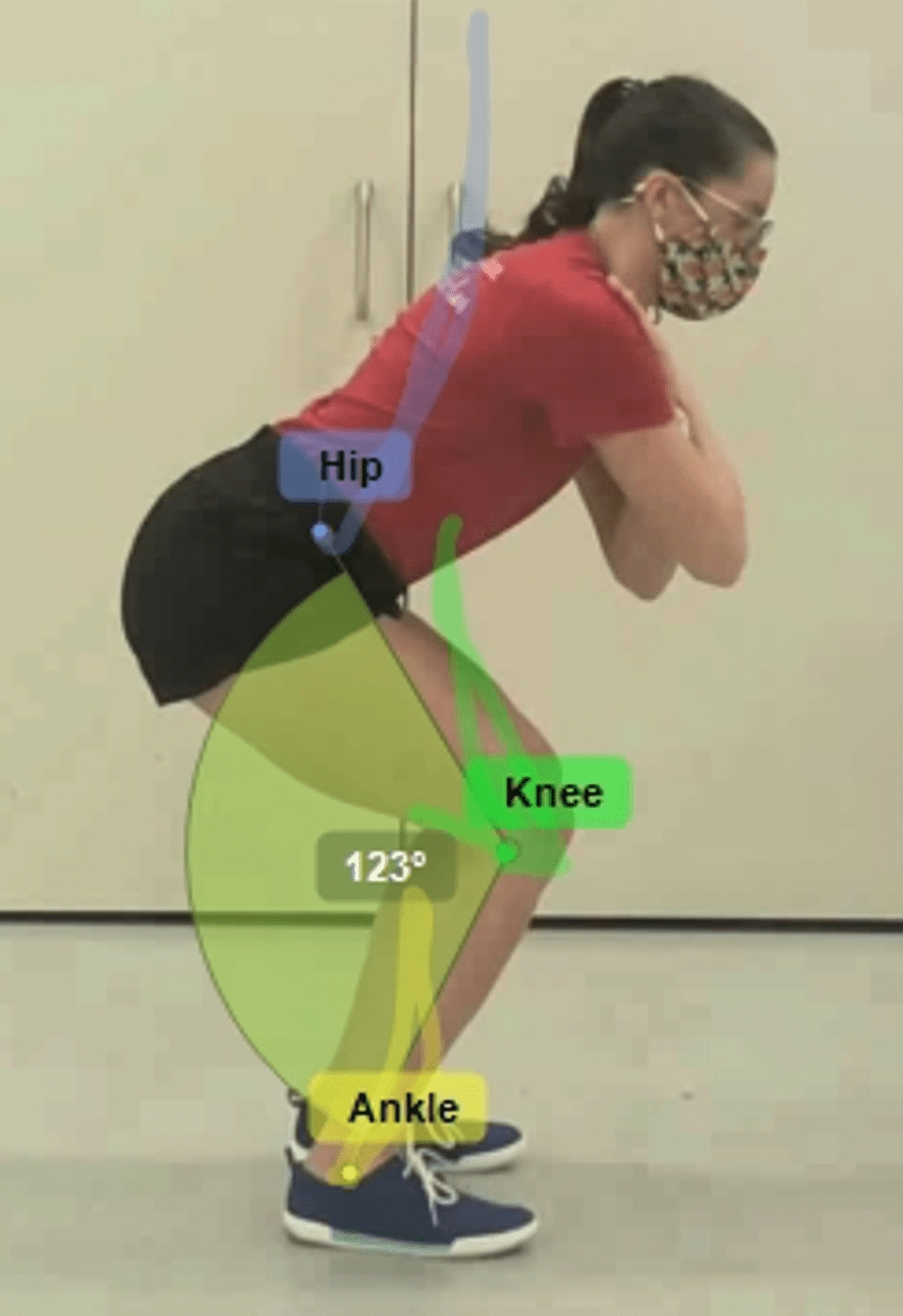
Physical Therapy & Sports Medicine
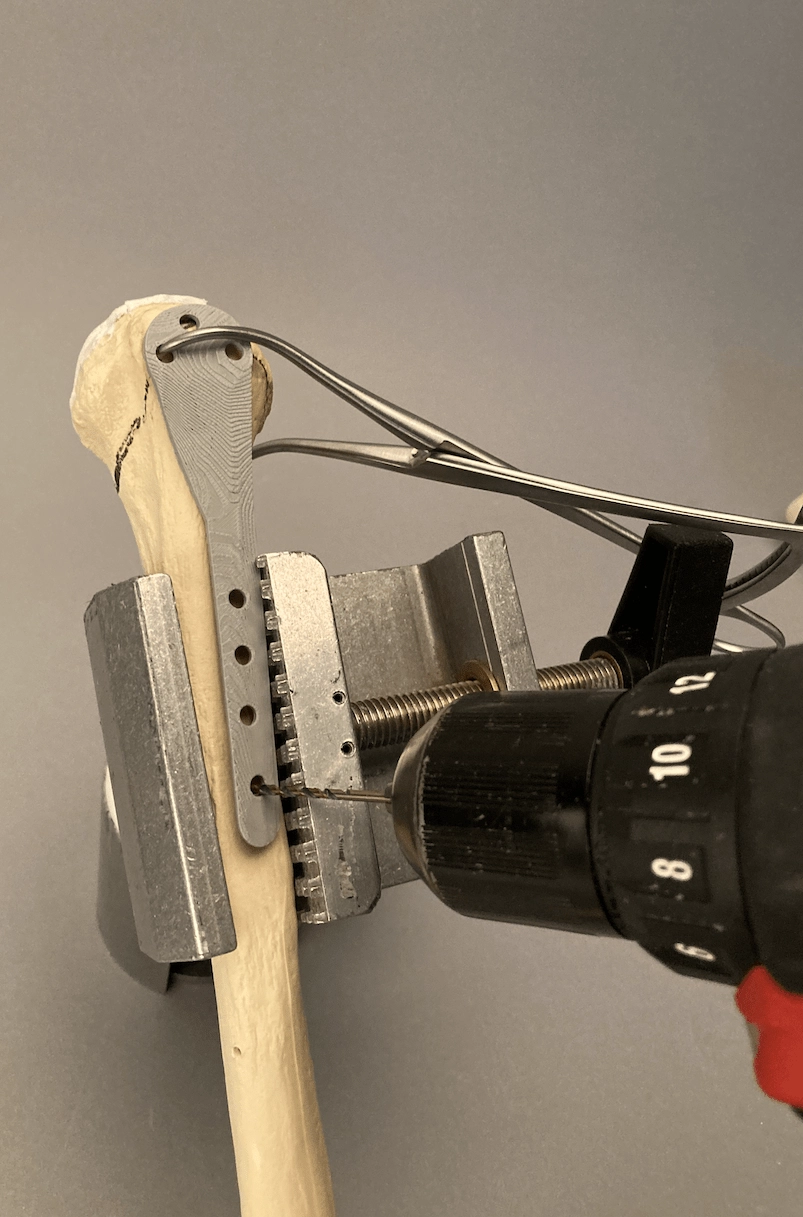
Orthopaedic Surgery
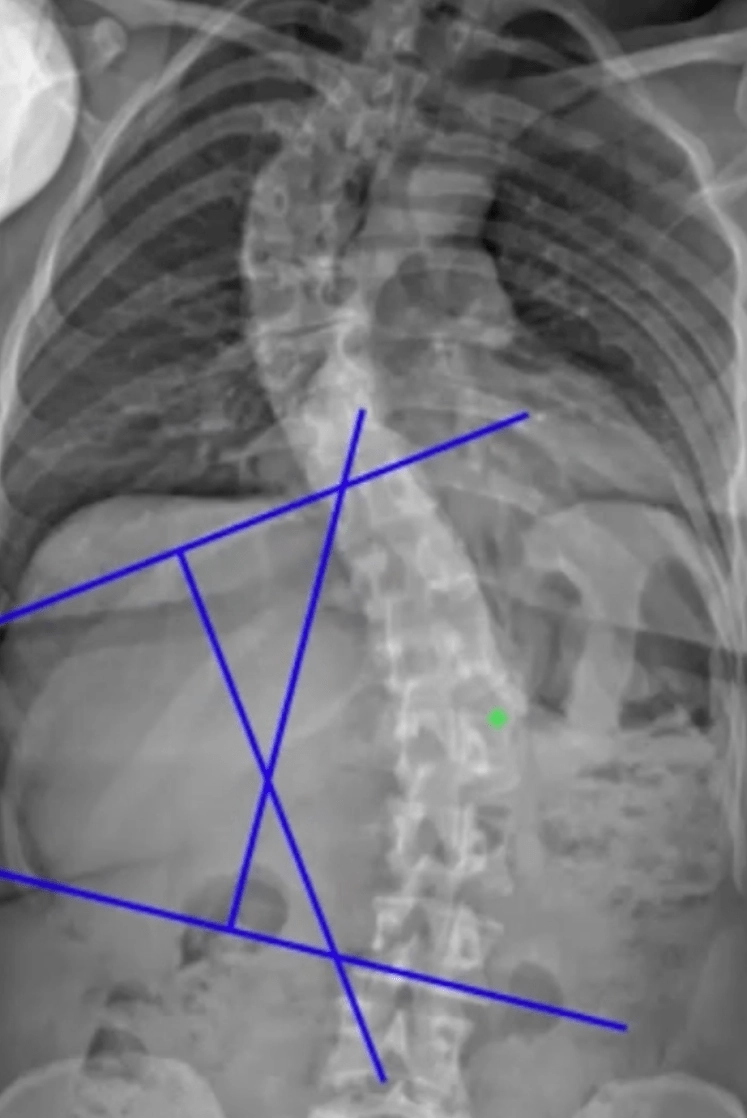
Radiology & Diagnostics
engineered for engagement
E3 Biomechanics was designed by engineering educators with expertise in orthopaedic biomechanics and movement science. Our team has over two decades of experience teaching and practicing clinical biomechanics and has engineered E3 Biomechanics for maximum student engagement. We are excited to bring E3 Biomechanics to your classroom and encourage you to partner with us as you make these materials your own.
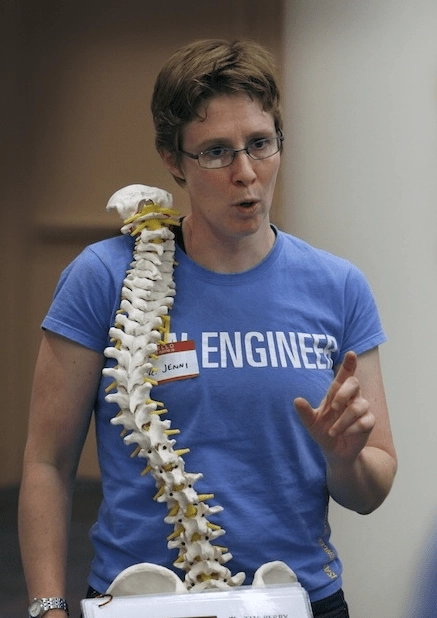
Real-World
Mock surgical procedures, biomechanics experiments, and design challenges. High-quality materials and equipment provided.
Hands-On
High quality classroom equipment and supplies by Vernier and Sawbones.
Open Access
Mix and match lessons, exercises, and labs into existing coursework. Adaptable to multiple skill levels and disciplines.
Field Tested
Developed and refined in college-level courses in mechanical and biomedical engineering.
available CURRICULUM
E3 Biomechanics curriculum consists of stand-alone units appropriate for college-level engineering courses, labs, and design experiences. Designed and field tested by engineering faculty at University of Delaware, these materials are freely distributed through a Canvas Commons license. Available units are shown below with more on the way!
You must be logged in to Canvas Commons with an instructor account. Please contact us to preview curriculum outside of the Canvas platform.
Musculoskeletal Materials
Overview
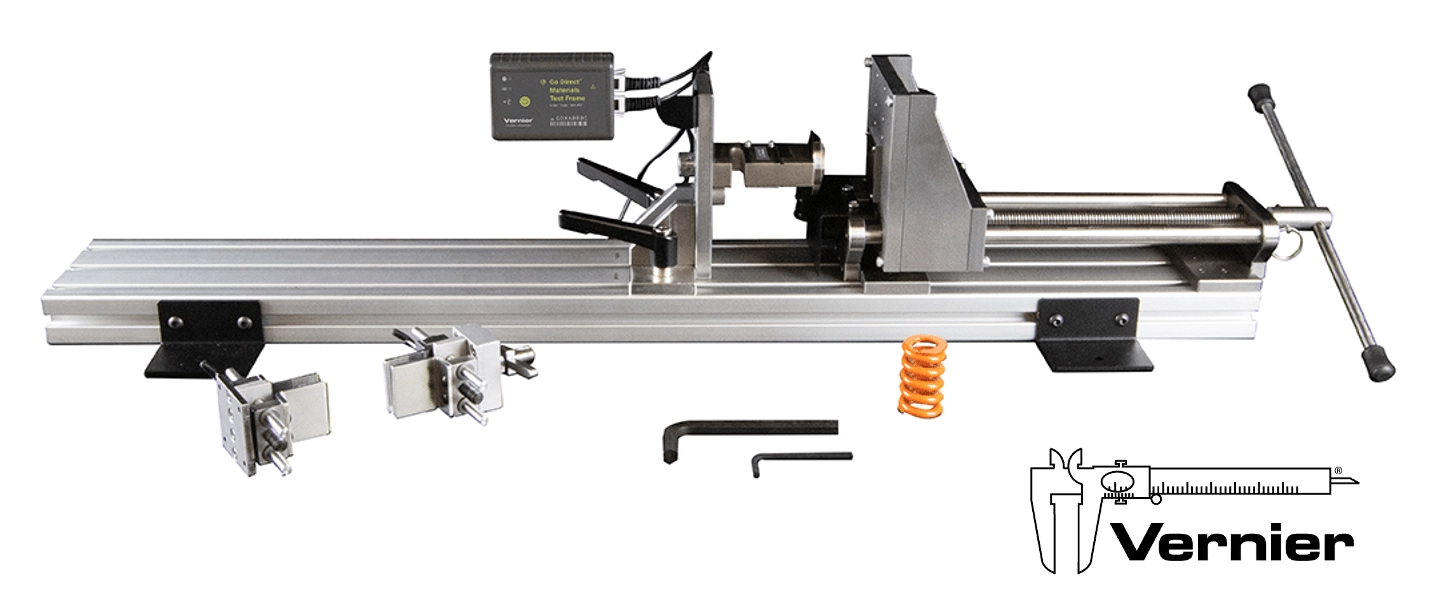
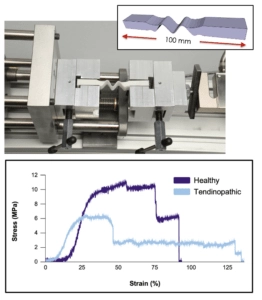
Characterize the material behavior of musculoskeletal tissues, including bone, tendon, and intervertebral disc. Explore how degeneration and injury affect material behavior. Appropriate for undergraduate and graduate-level mechanical, biomedical, and materials courses, the open-ended labs cover material parameters, nonlinearity, viscoelasticity, and concepts from experimental design, and statistics. Labs designed to work with the Go Direct® Materials Test Frame by Vernier® but instructors may also use their own test frames. All supplies avaialable through Sawbones®.
Fracture Plate Design
Overview
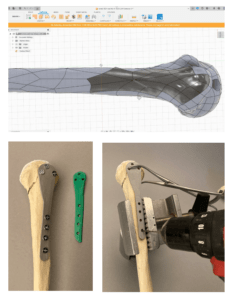
Design, fabricate, and install a fracture plate to repair a broken bone. Explore how fractures occur and the basic principles of fracture plating, including plate geometry and screw positioning. Several versions of this design challenge are available to tailor the experience for different course formats and available resources. Options include installation of a generic plate or design of an anatomically-matched plate using CT-based CAD and 3D printing. Well-aligned engineering topics include Materials, Statics, Strenght of Materials, and even advanced simulation (FEA). Whole bone models and CAD files available through Sawbones®. Option to include design validation testing on the Go Direct® Materials Test Frame by Vernier®.
Case Studies & Exercises
Overview
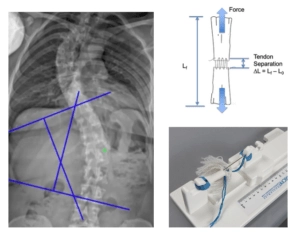
Embed these short, mix-and-match clinical case studies and biomechanics exercises into engineering courses or labs. Case studies are designed to give students real-world experience with clinical decision making, procedures, and surgical techniques and technologies. Biomechanics exercises provide quick clinical background but focus more on reinforcing traditional engineering concepts through the lens of biomechanics. Case studies and exercises are a mix of online and hands-0n experiences, with anatomical models provided by Sawbones®. Example case studies and biomechanics exercises include x-ray based diagnostics, the basics of casting and suturing, measurement of the center of mass on the human body, testing the strengths of tendon repairs, and more.
Movement Analysis
Overview
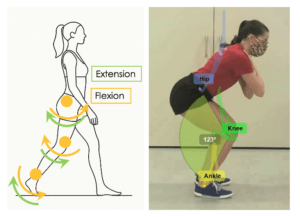
Conduct inquiry-based research on human movement patterns by conducting in-class experiments with students as subjects. Several versions of this research project are available to tailor the experience for different course formats and available resources. Options include a case study of vertical jump height as a function of knee flexion angle, as well as instrutional framing for students to investigate their own research questions. Required resources vary in complexity by lesson option, with least complex using generic measurment tools (e.g., rulers and goniometers) and more complex using free, open-source 2D or 3D motion tracking platforms on students’ cell phones or computers. Option to include force plates and other sensors by Vernier®.
EQUIPMENT & MATERIALS
E3 Biomechanics curriculum uses a variety of software, materials, and equipment, some of which are manufactured and sold separately by trusted vendors. Some E3 lessons require little to no equipment and common laboratory materials, while others use anatomical models by Sawbones® and customized equipment by Vernier®.
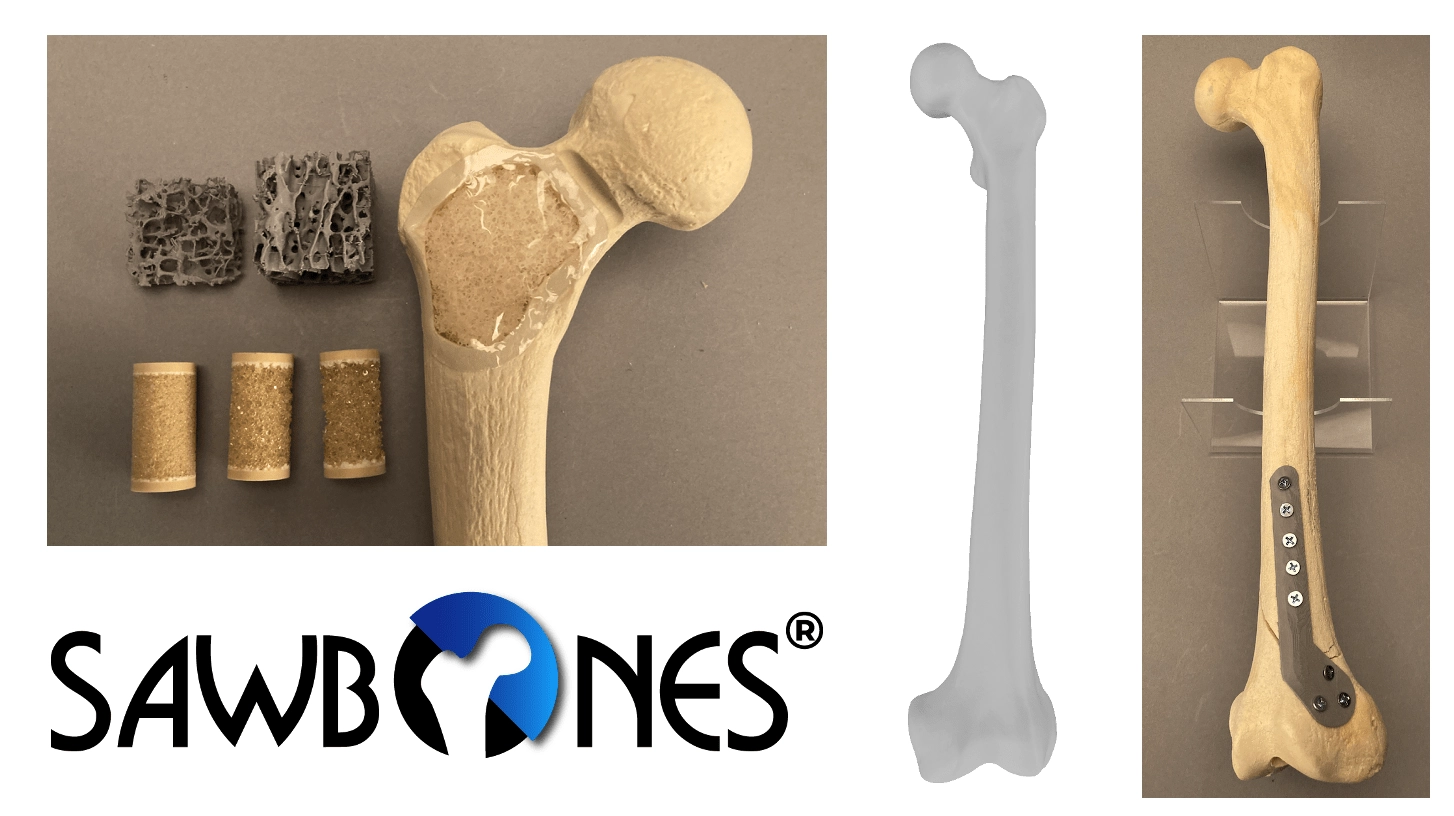
Materials by Sawbones®
Biological tissue surrogates and whole bone anatomical models for biomechanical testing, implant design, and surgical simulation exercises as part of E3 Biomechanics.
Equipment by Vernier®
Test tissue samples, whole bones, and medical devices using the Go Direct® Materials Test Frame by Vernier®. This easy-to-use tabletop system comes with integrated sensors and is designed to work with E3 Biomechanics lab and design curricula.